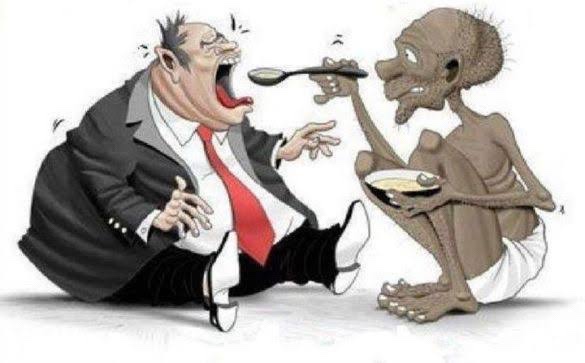
The cradle of nepotism and tribalism in Kenya is rooted in the political system and the nation’s colonial legacy. This legacy has created an atmosphere where clans, tribes and families are prioritised over merit when it comes to job opportunities, political positions, and economic resources. To undo this, there needs to be a focus on creating a law and an enforcement body that guarantees the fair distribution of resources and job opportunities without regard to interested parties. Additionally, efforts must be put in place for more public and political participation from less privileged areas and tribes. This would mean implementing reforms aimed at making the political landscape more inclusive and promoting equitable representation in decision-making processes. Combating nepotism and tribalism also requires a greater emphasis on education to promote critical thinking, values of fairness and appreciation of diversity. Raising awareness of the need for equal opportunities across all tribes is also crucial in this effort.
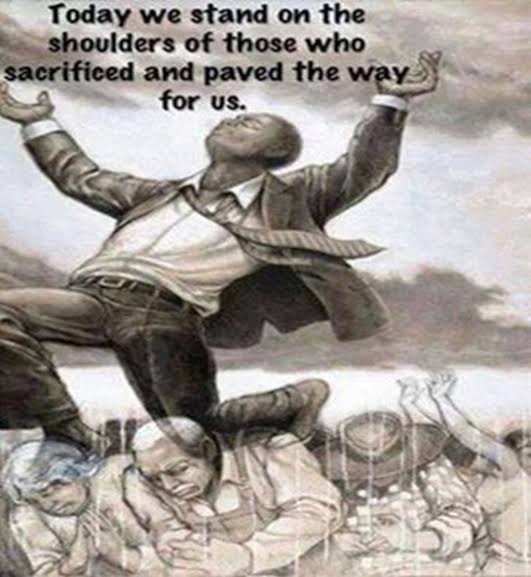
To exterminate this vice,
1. Increase Transparency: Employers should create an atmosphere of transparency in their organization by implementing clear policies on nepotism and tribalism, as well as developing clear performance standards and expectations.
2. Enhance accountability: Organizations should develop a system of accountability by having employees sign off on statements that they are familiar with the organization’s policies on nepotism and tribalism, and understand the consequences of non-adherence.
3. Develop an Equal Opportunity Policy: Organizations should develop an equal opportunity policy that includes measures to protect employers from discriminatory behavior and practices.
4. Promote Educational and Skill Development Opportunities: Organizations should focus on developing and promoting educational and skill development opportunities for all employees so that everyone has an opportunity to reach their goals.
5. Encourage Diversity: Organizations should actively support a diverse and inclusive work environment. This includes implementing measures to ensure that all employees are treated fairly, regardless of their background, race, ethnicity, gender
Nepotism and tribalism can affect individuals of all ages, but it is most often seen in the older age group (45-65). This is due to the fact that members of this group are more likely to be in positions of power and authority, making their decisions have more of an impact. Additionally, older generations tend to have more traditional values and a stronger sense of loyalty to their family and community, which makes them more likely to favor their own connections regardless of merit.
 Fadhili Elly
Leave a comment