Raising children in a disenfranchised environment can have a significant and long-lasting impact on their development and wellbeing. This is especially true when these environments lack access to basic resources, such as quality education, healthcare, and economic opportunities. Without these, children are at a greater risk of poverty, low educational attainment, and poor physical and mental health.

The effects of growing up in a disenfranchised environment can be seen in the higher rates of poverty, poor health, and criminal activity among those who have experienced it. Those who are raised in such an environment are more likely to struggle with educational attainment, have difficulty finding and keeping employment, and have difficulty accessing healthcare. Additionally, they may experience higher levels of stress and anxiety, which can lead to further negative outcomes.
It is clear that growing up in a disenfranchised environment can have a detrimental effect on a child’s development and wellbeing.
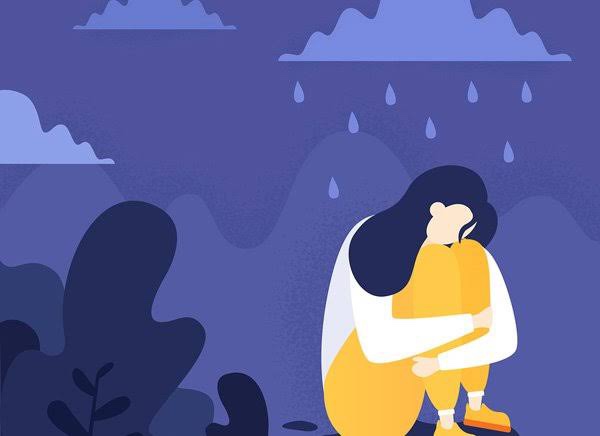
Raising children in a disenfranchised environment can be a difficult experience, but it can also have a positive impact on the development of a child. Disenfranchised environments can be defined as areas where there is a lack of resources, support, and opportunities, and this can be due to a variety of factors such as poverty, racism, and other forms of discrimination. Despite the challenges that come with raising children in these environments, there are many benefits that can be gained.
One of the most important benefits of raising children in a disenfranchised environment is that they can gain a better understanding of the world around them. By being exposed to the struggles and hardships of their peers and community, children can learn empathy and develop a greater appreciation for the privileges they have. They can also become more aware of the injustices that exist in society and be more likely to take action to make a difference.

Raising children in a disenfranchised environment can be a challenging experience, but it can also be a rewarding one! It can teach children valuable lessons about resilience, resourcefulness, and the power of community. It can also help them to develop a greater sense of empathy and understanding of the world around them. Ultimately, raising children in a disenfranchised environment can be a powerful tool for creating a more just and equitable society. It is an experience that can have a lasting impact on the lives of those who are exposed to it.


 Fadhili Elly
Leave a comment